If you have been to Mexico and keep your eyes open, it won´t be long before you see a saint. Of course, I mean the kind of saint made of plaster and housed in a glass box or set on a wooden table. You will see these saints in houses, shops, cars, and on the side of the road. I’ve written on this subject previously, so with this blogpost I want to ask the question:
Continue reading “Why a Saint? “Oh, Now I Get It
If you walk the streets of our neighbourhood or poke your head into one of the shops on the main street, you´ll notice something. You might notice a little box fixed to the wall outside someone´s home or a small shelf in the corner of the pizza shop. Inside the box or placed on the shelf will be a statue or picture of a saint, likely accompanied by a candle or two. In our neighbourhood, the saint will be Saint Judas Thaddeus, the apostle of Jesus. He will be dressed in white and green and have a flame of fire above his head.
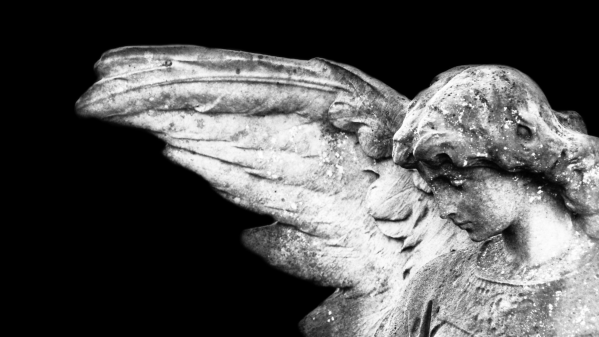
Continue reading “Oh, Now I Get It”Angel on the Wall
“Folk religion” is a term used in the study of missions to refer to the beliefs and practices of a religion that happen at a popular, everyday level, but are outside of the accepted teaching of said religion. The religion and its elite officially teach one thing, but the religion that is actually lived out among the people is different, usually incorporating the traditional beliefs of the culture. This means, for example, that people may publicly pledge allegiance to the Church, but during the week, when real-life problems happen, they go to see the witch doctor or consult the horoscopes.
Continue reading “Angel on the Wall”Bread for the Scare
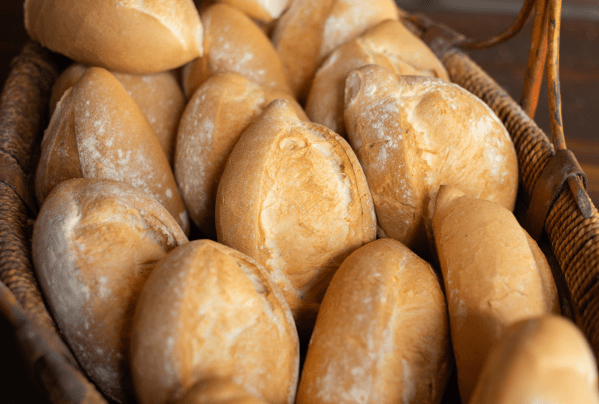
When learning language it often happens that you go months, perhaps years, being oblivious to certain words or phrases. You can be so focused on understanding what a person is saying that your brain just skips over a word you don’t know and it never registers in your mind. Or maybe it is a phrase you learned but you haven’t yet heard it used in a real-life context, and so the phrase is merely theoretical.
Continue reading “Bread for the Scare”On the Day of the Dead
One of the fascinating things about crossing over into a different culture is thinking through how to live as a Christian in your adopted culture, and how that process sheds new light on living as a Christian in your home culture. As we encounter different cultural customs and celebrations, we have to work to understand what they mean and then, informed by the word of God, determine how we may or may not participate.
Continue reading “On the Day of the Dead”¿Traes Cambio?
I sometimes joke that the national pastime in Mexico is searching for change. Mexico is still very much a cash economy and there are many places that won’t accept a credit or debit card. In addition to that, there are security concerns which means many stores do not want to keep large sums of change in the till. This leads to a never-ending pursuit of looking for change, of which there always seems to be a shortage.
Continue reading “¿Traes Cambio?”Pozole
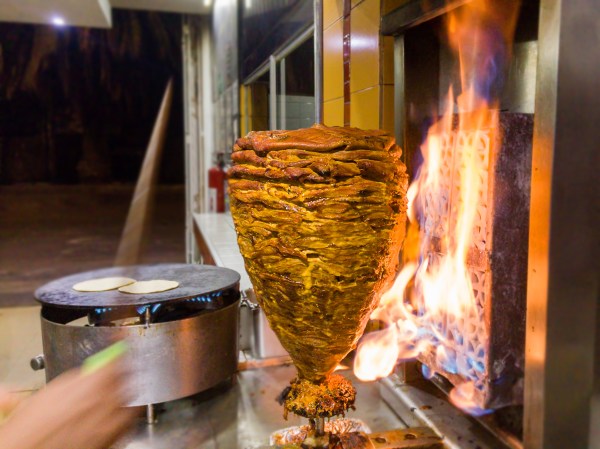
I imagine that if I asked you to name a traditional Mexican dish, pozole wouldn’t be the first to come to mind. And yet, it is a dish that enjoys widespread popularity in Mexico and which boasts ancient, albeit disturbing, roots in the pre-Hispanic civilizations. You can expect to see it in restaurants and on dinner tables in September, around Mexico’s independence day, and during the Christmas holiday season.
Continue reading “Pozole”Ixmilquilpan.
Ixmil…what?
About three hours away from our place is a place called Tolontongo, where you can enjoy a volcanically-heated river along with a falls, cave, and tunnel. It’s an incredible display of the Creator’s artistry and if you have the time, it’s worth a visit. To get there, you pass through the town of Ixmilquilpan. The name is a bit of a mouthful, but compared to other places in Mexico, it’s not too bad. For example: Nezahualcóyotl or Azcapotzalco. These names are a reminder of the way Nahuatl has shaped the Spanish language.
Continue reading “Ixmilquilpan.”What Does Arabia Have To Do With Mexico?
You might not think the Arab world has much to do with México, but it’s true. The architecture, cuisine, and especially the language of México have all been shaped by the Arab world. The reason? The Moors (Muslim people group of Arab descent) invaded Spain back in the 8th century. Their stay in that country for several centuries impacted the Spanish culture, which in turn impacted the Mexican culture when the Spaniards sailed across the Atlantic and landed in México.
Continue reading “What Does Arabia Have To Do With Mexico?”A Concrete Jungle, A Park, and A Maze
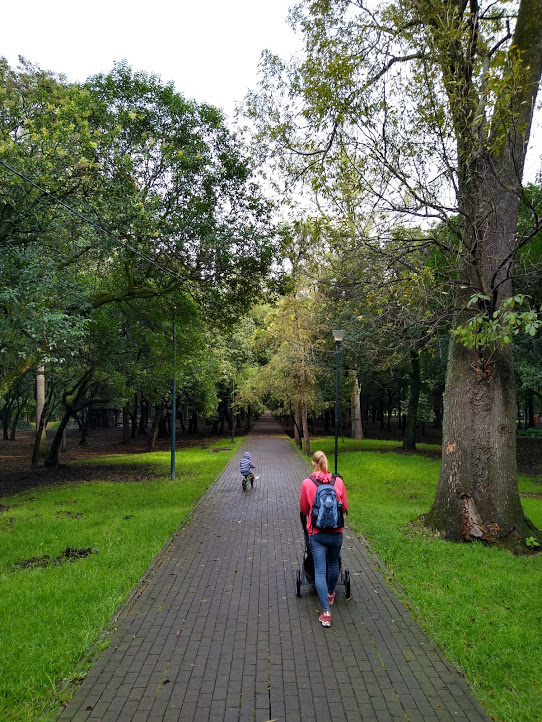
For visa purposes, we recently made a trip to México City to visit the Canadian Embassy. We thought it might make for enjoyable reading to recount some experiences from this trip.
Continue reading “A Concrete Jungle, A Park, and A Maze”